Is Alphabet's Search Risk Fully Priced In at $410?
Rosenblatt sets a $410 target on Alphabet, but analysts debate whether search disruption risk is truly reflected in the stock.
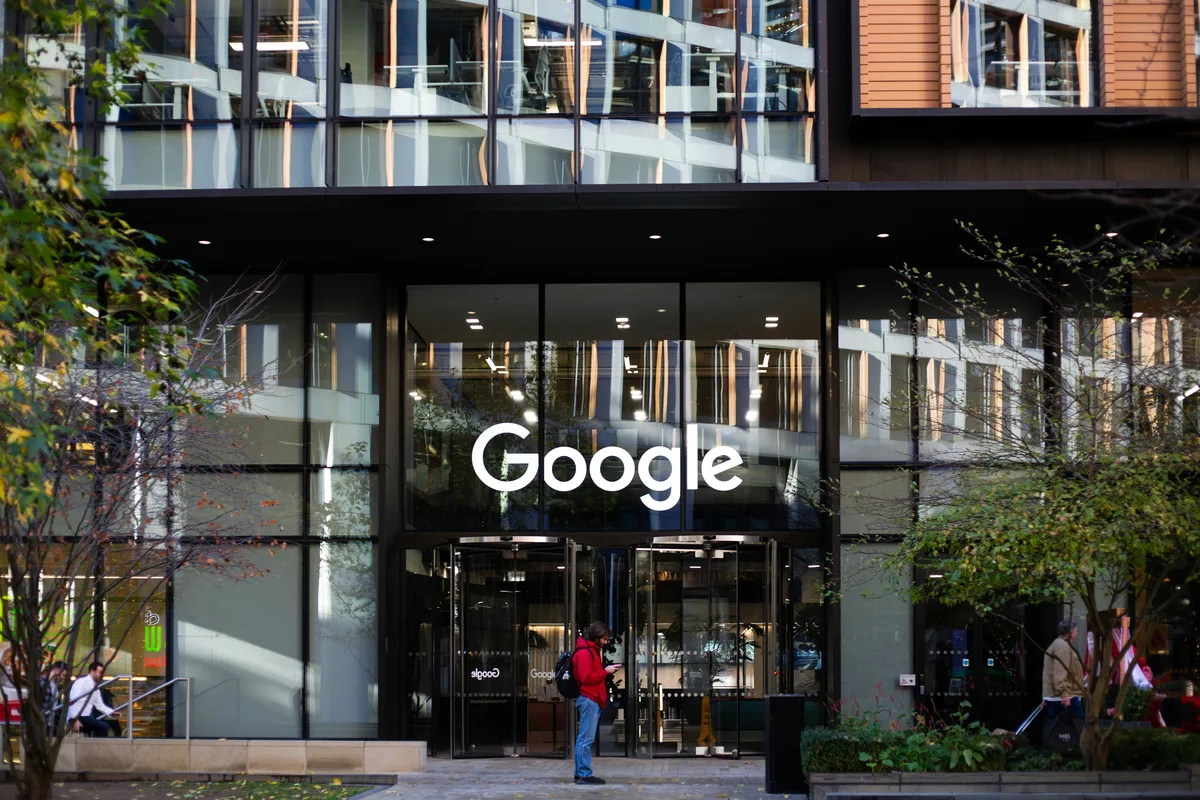
Alphabet faces mounting scrutiny over whether Wall Street has adequately priced in the existential threat to its core search business, with Rosenblatt Securities putting a $410 price target on the Google parent's shares amid a broader debate about the company's competitive durability in an AI-driven landscape.
The Rosenblatt thesis hinges on a stress-tested valuation framework that weighs Alphabet's dominant search revenue against accelerating pressure from AI-powered alternatives, including Microsoft's Bing integration with OpenAI's ChatGPT and a new generation of standalone AI assistants that are beginning to divert query volume away from traditional search engines.
Read more Visa and Mastercard Shares Hit Records as US Spending Holds Strong →
What makes the $410 target particularly notable is its implied skepticism about Alphabet's ability to fully monetize its own AI investments — including the Gemini model rollout and AI Overviews in Search — fast enough to offset any erosion in click-through ad revenue, which remains the financial backbone of the entire Google ecosystem.
Analysts watching the stock are divided on a fundamental question: is the market treating Alphabet's search moat as structurally intact, or is the current share price already embedding a meaningful probability of long-term market-share loss? Rosenblatt's framework suggests the risk is real but not yet fully discounted by consensus estimates, leaving investors to weigh a wide range of outcomes depending on AI adoption curves and advertiser behavior.
For now, Alphabet remains one of the most closely watched bellwethers for how legacy tech giants adapt — or fail to adapt — to the generative AI disruption reshaping digital advertising. Continue reading at Yahoo Finance.